How to Fill Petrol in Chiang Mai and the Mae Hong Son Loop
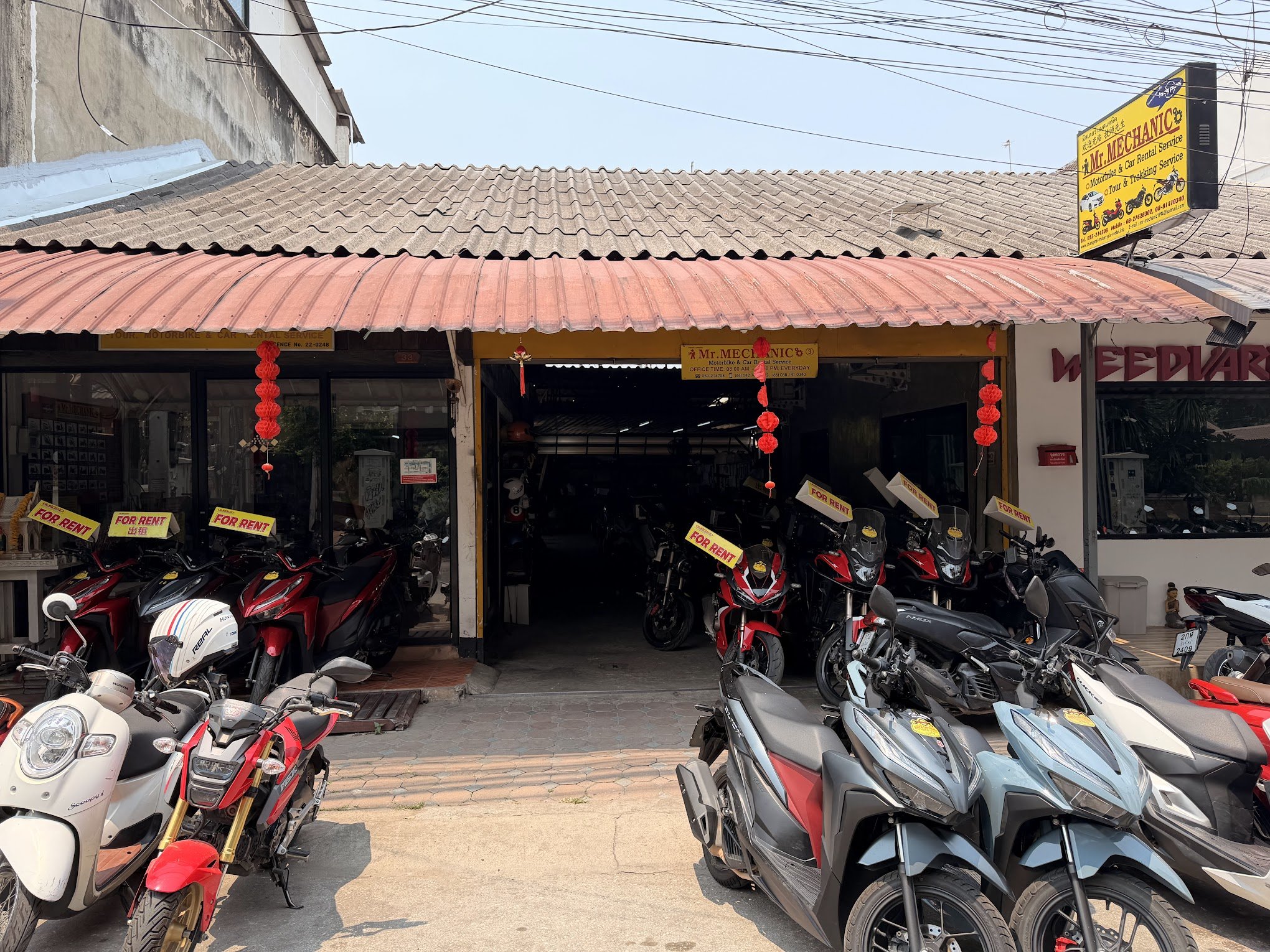
One odd thing about renting scooters in parts of Asia — including Thailand, Sri Lanka, and Laos — is that you’re often given the bike with barely any fuel, just enough to get you to the nearest petrol station.
After renting our scooters in Chiang Mai, Northern Thailand, we headed straight to fill up… and quickly realized it wasn’t as straightforward as expected.
Stations are common throughout the provinces of Chiang Mai and Mae Hong Son, they just work a bit differently sometimes, especially in terms of who pumps the gas and how you pay. Nothing to stress about, but some good-to-know tidbits to get you around the Mae Hong Son Loop and other parts of the country.
So in this guide, I’ll walk you through what to expect when it comes to getting petrol in Northern Thailand — including how stations work, how to pay, what it costs, and what to know about fuel stops, rest breaks, and basic servicing along the Mae Hong Son Loop.
Petrol Stations and How to Pay
One of the main differences in Northern Thailand is that petrol stations aren’t all the same, and how you pay depends on the type of setup you’re using.
Here’s what you can expect:
Full-service stations with attendants
These are the easiest and most straightforward. You pull up, tell them how much you want (either in liters or Thai Baht), and they’ll fill the tank for you. If you want a full tank, you can just say “full,” they usually understand. Payment is usually made directly to the attendant, most likely in cash only. Some larger stations (like Shell) may accept cards.Self-serve petrol stations
At these stations, you’ll fill up your tank yourself and then go inside to pay at the counter. Payment is typically in cash.Fully self-service machines
In smaller areas, you’ll sometimes come across roadside vending machine-style petrol pumps. These require you to insert cash or coins directly into the machine. They can be a bit confusing at first — especially since everything is in Thai — and not every note or coin is accepted. We definitely had moments of trial and error here.Petrol sold in bottles
In some towns, you’ll see petrol sold in glass or plastic bottles outside small shops. While it can be convenient in a pinch, I’d generally avoid it if possible — prices tend to be higher, and quality is questionable.
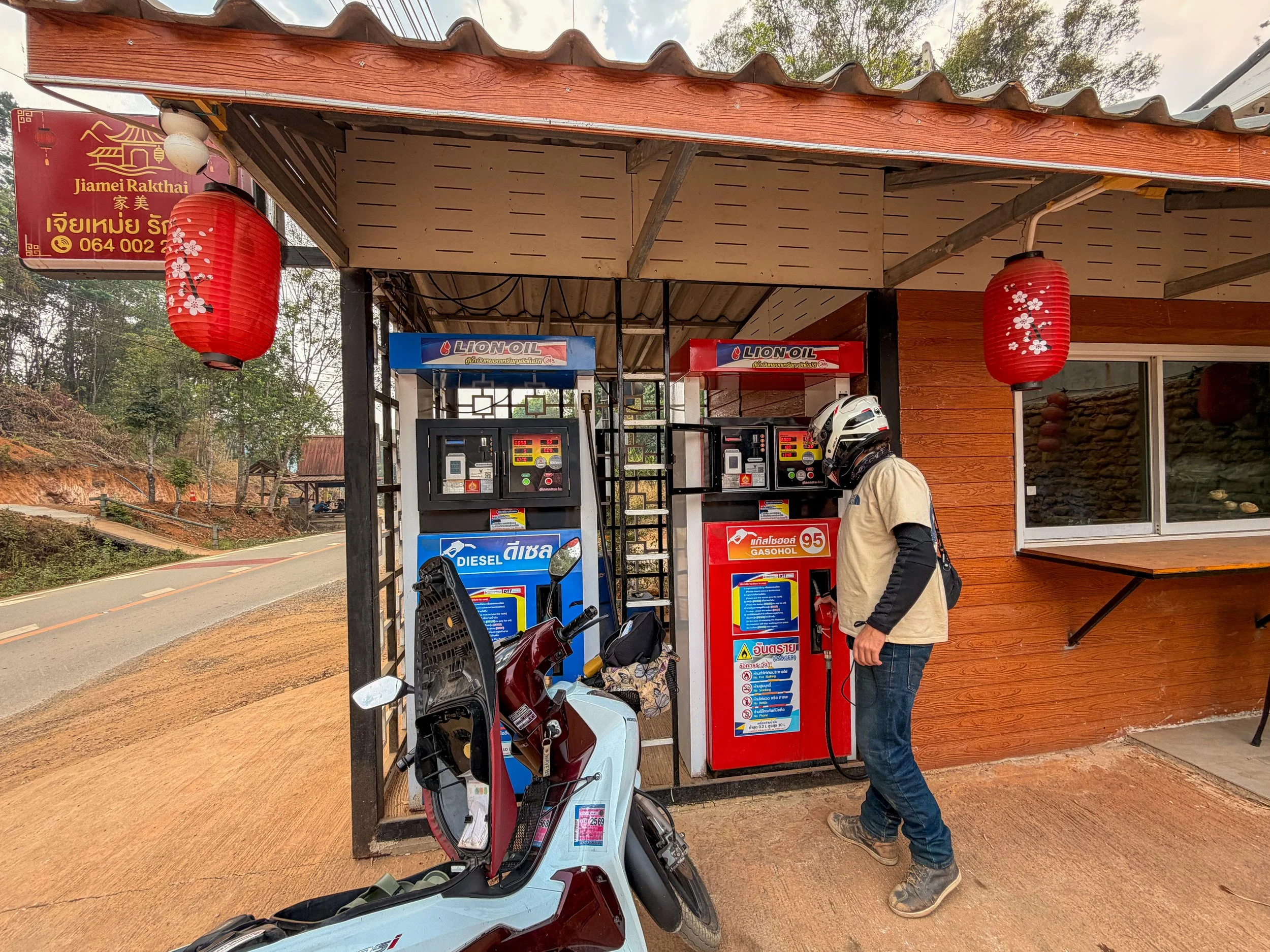
In a pinch, in between regular petrol stations, self-serve kiosks like this can work to top up your tanks. They were kind of the bane of our existence until we figured them out though 🙃
How Much Petrol Costs
Petrol in Northern Thailand is relatively affordable, and overall fuel costs for a trip like the Mae Hong Son Loop are quite reasonable.
As a rough reference, in April 2026, we took two road trips and spent the following:
Mae Hong Son Loop by Scooter
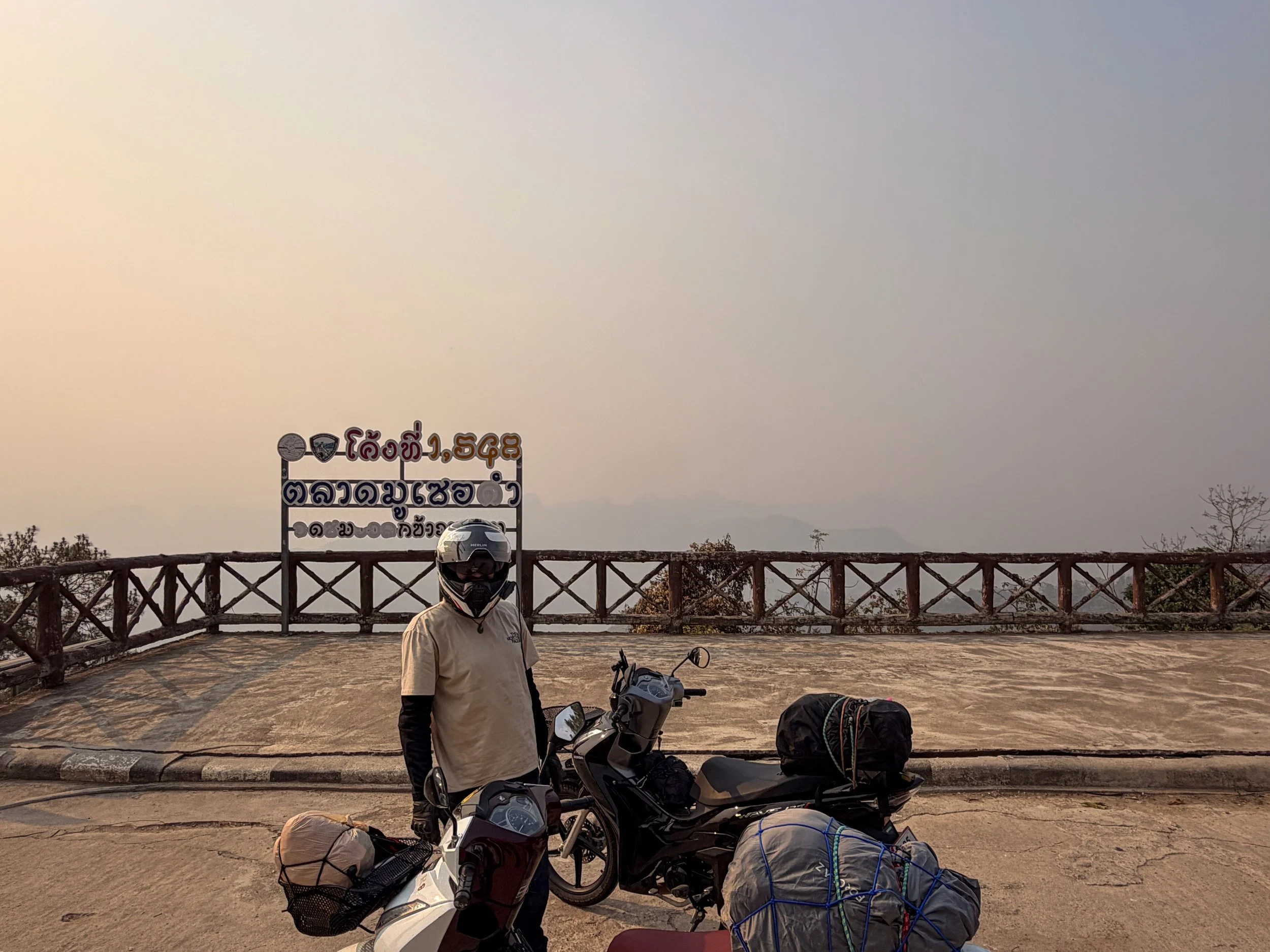
In total, driving 750km around the Mae Hong Loop (with side quests), we spent 1017 THB on petrol for two Honda Wave 125i scooters. On average, we were paying around 150 THB to fill up our tanks from nearly empty.
Chiang Mai to Bangkok by Car
In total, driving 1000km from Chiang Mai to Bangkok (with side quests), we spent 3900 THB on diesel for our Toyota Fortuna rental car. On average, it cost us about 1600 THB for diesel to fill our Toyota Fortuna rental car from a half tank.
Of course, prices will vary depending on when you go, the vehicle you use, and fuel type, but it’s a helpful benchmark when planning your budget. Fuel prices were considered slightly high at the time of our trip.
Fuel Stops on the Mae Hong Son Loop
If you’re riding the Mae Hong Son Loop specifically, fuel availability is generally not an issue.
Towns like Chiang Mai, Pai, Mae Hong Son, and Mae Sariang all have regular petrol stations, and you’ll come across smaller stations and machines along the way as well.
That said, we got into the habit of filling up whenever we were in a larger town or when a convenient station came up, rather than waiting until the tank was close to empty. This simple habit helped us adventure and side quest without stressing about fuel levels.
We also preferred to fuel up in the morning and then strap our bags onto the back of our bikes to avoid having to unstrap and re-strap our bungee cords.

Planning a complicated Asia itinerary? I help independent travelers design custom trips that balance logistics, local culture, and meaningful experiences. Click here to learn more about my travel planning services.
Rest Stops and Coffee Breaks
One of the nice things about riding in Northern Thailand is that you don’t need to plan your stops too rigidly. Many gas stations have shops, toilets (surprisingly, often clean), and cafes or restaurants attached to them. PT Petrol stations usually have an Amazon Cafe (which they own) and public toilets.
Better yet, between towns, you’ll find plenty of opportunities to take a break — whether that’s a small roadside café, a scenic viewpoint, or a quiet village.
On the Mae Hong Son Loop especially, these stops end up being a big part of the experience. It’s not just about getting from one town to the next, but about what happens in between.
One of our favorite such stops was on our last day, riding from Mae Sariang to Chiang Mai. We stopped at a cute local place (save this pin!!) early in the day for a coffee, and my friend asked if they had a spanner/wrench to adjust the mirror (it had started flailing in the wind), so a staff member from the cafe got on the back of his bike to show him to a mechanic down the road, adjust the mirror, and then we both enjoyed coconut coffee with one of the best views we had on the trip.
Don’t forget that taking regular breaks also helps with the physical and mental side of riding. The roads are constantly winding, and even shorter days can be more tiring than expected. Stopping every so often helps you stay focused, get hydrated, stretch your legs, and enjoy the ride even more.
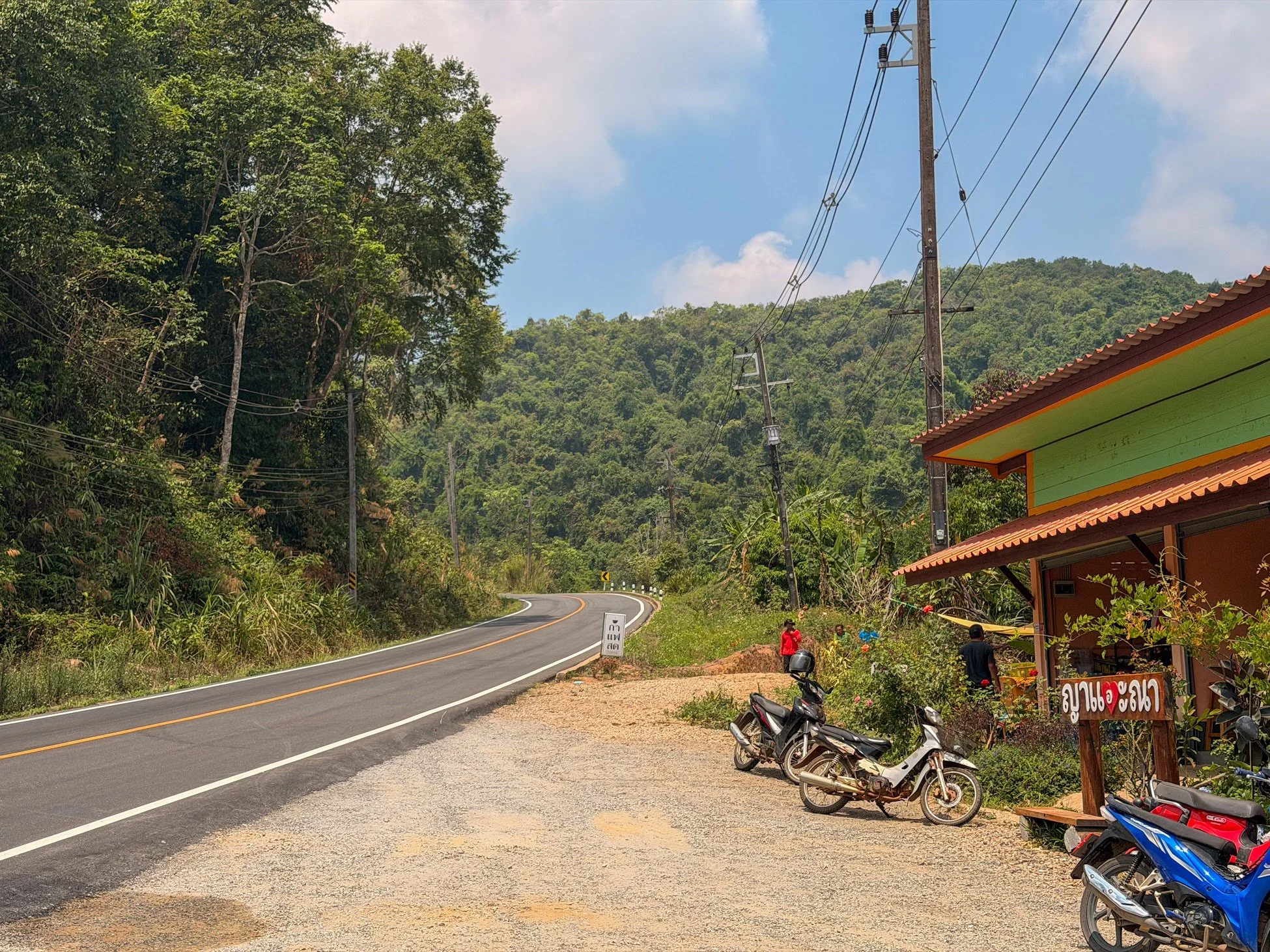
Simple stops were often our favorite, with the warmest most welcoming smiles and sometimes even the best coffee! This is also the place that drove my friend to get his mirror fixed.
Service and Help on the Road
If any issues come up with your motorbike or vehicle on the road in Northern Thailand, don’t worry. There are many petrol and service stations throughout Mae Hong Son and Chiang Mai.
You’ll find small repair shops that can help with basic issues all along the main roads. Locals are generally willing to help as well, even if there’s a bit of a language barrier.
This is also where choosing a good rental shop for your Mae Hong Son motorbike or a rental car from Chiang Mai comes in. Having clear instructions on what to do in case of a breakdown — or being able to contact them if needed — adds a layer of reassurance before you even start your ride.
Happy Travels!
Overall, getting petrol, finding places to stop, and navigating the practical side of riding in Northern Thailand is quite straightforward. With a bit of awareness and a habit of filling up when it’s convenient, everything tends to fall into place — leaving you free to focus on the ride and whatever side quests call to you along the way.
HEADING ON A ROADTRIP? KEEP READING:
Was this helpful? Have more questions? You can reach me by Instagram DM or sending me an e-mail!
HEADS UP: Some links on Travelynne are affiliate links, meaning I earn a small commission if you purchase select experiences from my links — at no extra cost to you!
This helps me invest more time and resources into creating helpful travel content like this article. Learn more about my offerings and how to support Travelynne on my booking page, where you can book tours, transportation, and accommodations.