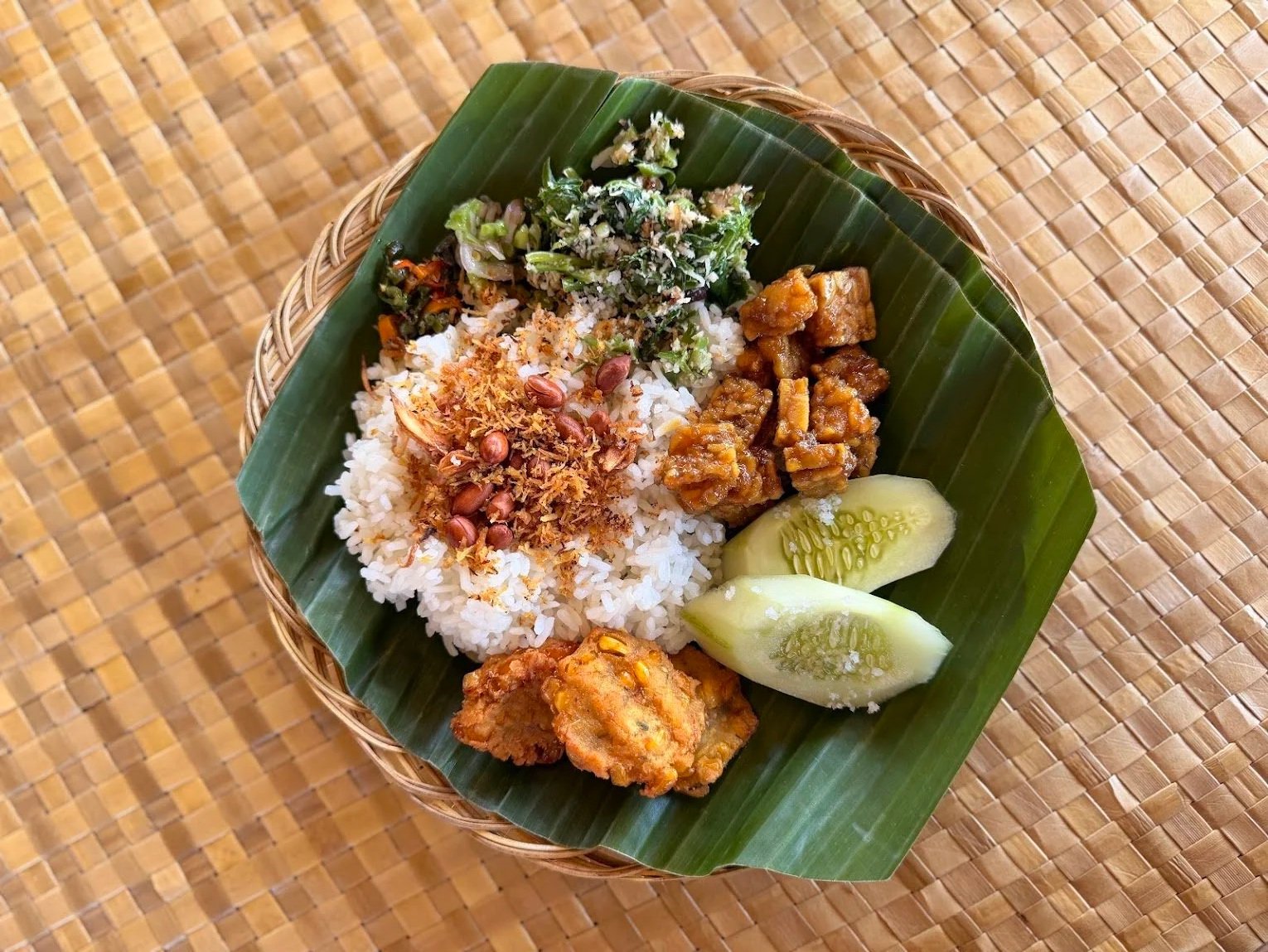
How to Make Indonesian Sayur Urap …in Canada
There's something very rewarding about recreating a dish you fall in love with abroad at home.
Sayur urap is one of the Indonesian dishes I've come to enjoy during my time living in Bali. At first glance, the idea of vegetables tossed with seasoned coconut sounded pretty weird. Coconut is often associated with desserts in Canada, so pairing it with vegetables wasn't something I expected to like. But after my first bite, I was hooked. The combination is fresh, fragrant and surprisingly delicious. The lightly cooked vegetables keep their crunch while the coconut adds richness and a hint of sweetness.
I made this dish at an open house event I threw in my Canadian hometown, and it was a fast favourite.
So I thought I'd write out a version that's easy to recreate using ingredients you can find in most rural Canadian grocery stores.
It isn't a perfectly traditional recipe — and it isn't meant to be. Instead, it's a practical adaptation that stays true to the spirit and flavours of the original while using accessible substitutions. Along the way, I'll also point out which ingredients are traditionally used in Indonesia, so you can experiment if you are in a city where you can find them.
I hope this recipe inspires you to bring a little taste of Indonesia into your own kitchen… or to come to Bali to try the real thing!
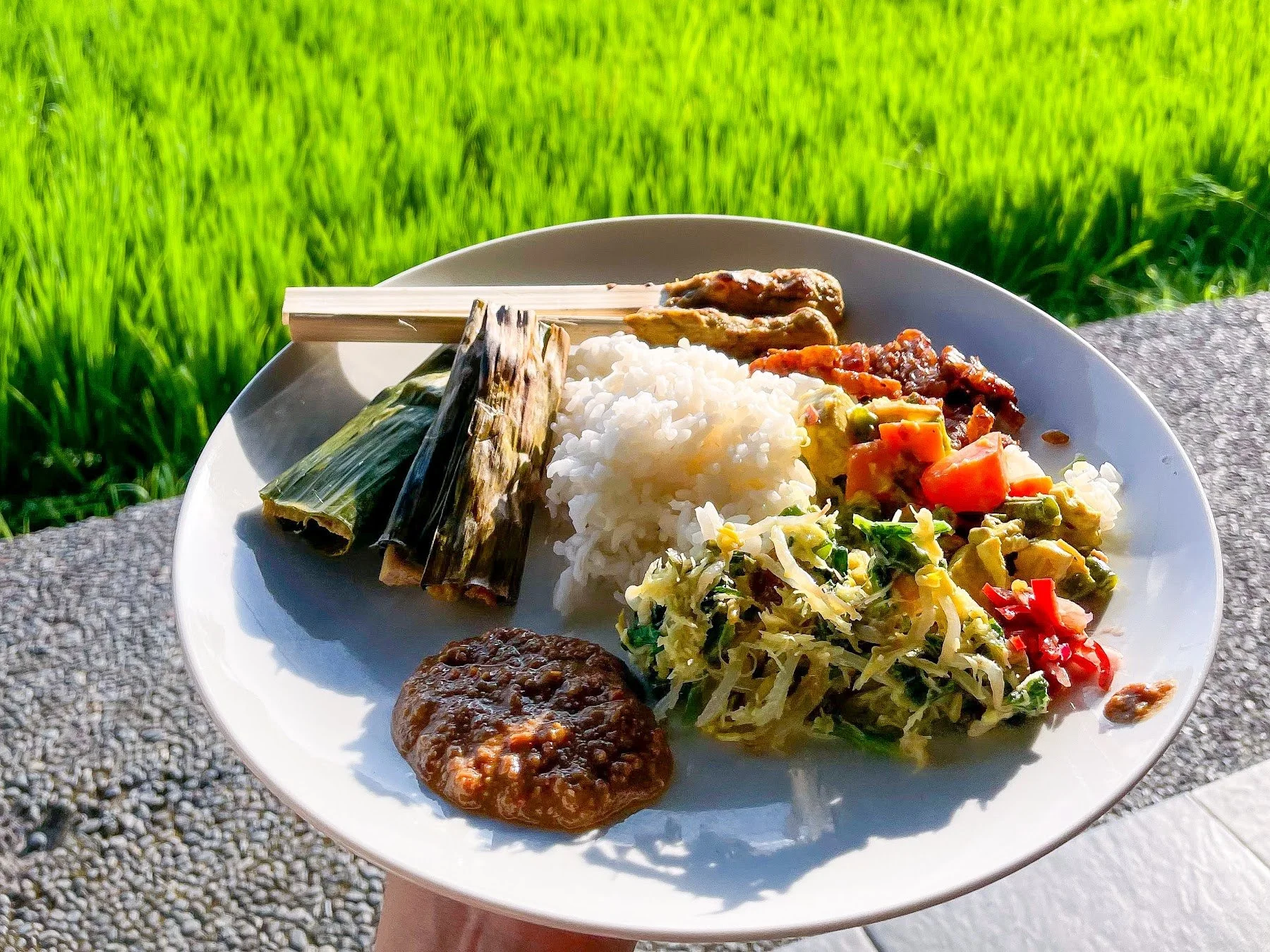
Pictured here: sayur urap (bottom right) served with white rice, Balinese satay, sambals and pepes ikan (steamed seasoned fish wrapped in banana leaves)
What Is Sayur Urap?
Sayur urap is a traditional Indonesian vegetable dish made with lightly cooked vegetables and a fragrant, seasoned coconut topping.
You'll commonly find it throughout Java and Bali, where it's served as part of everyday meals and special occasions alike. It's often included on nasi campur, Indonesia's beloved mixed rice platters, alongside steamed rice, grilled meats, tofu or tempeh, sambal and crispy crackers. Traditionally, these meals are served on banana leaf platters, adding a subtle aroma while reflecting Indonesia's long culinary traditions.
Although the vegetables can vary depending on the region and what's in season, the signature coconut mixture is what defines urap. Freshly grated coconut is combined with aromatic ingredients like garlic, shallots, chili, citrus and spices, creating a dish that's savoury, slightly sweet, fresh and full of texture.
Traditional urap includes freshly grated coconut, makrut lime leaves, tamarind and palm sugar. Those aren't always easy to find in Canada, so this recipe uses simple grocery store substitutions while staying true to the spirit of the dish.
Sayur Urap Recipe
with substitutions
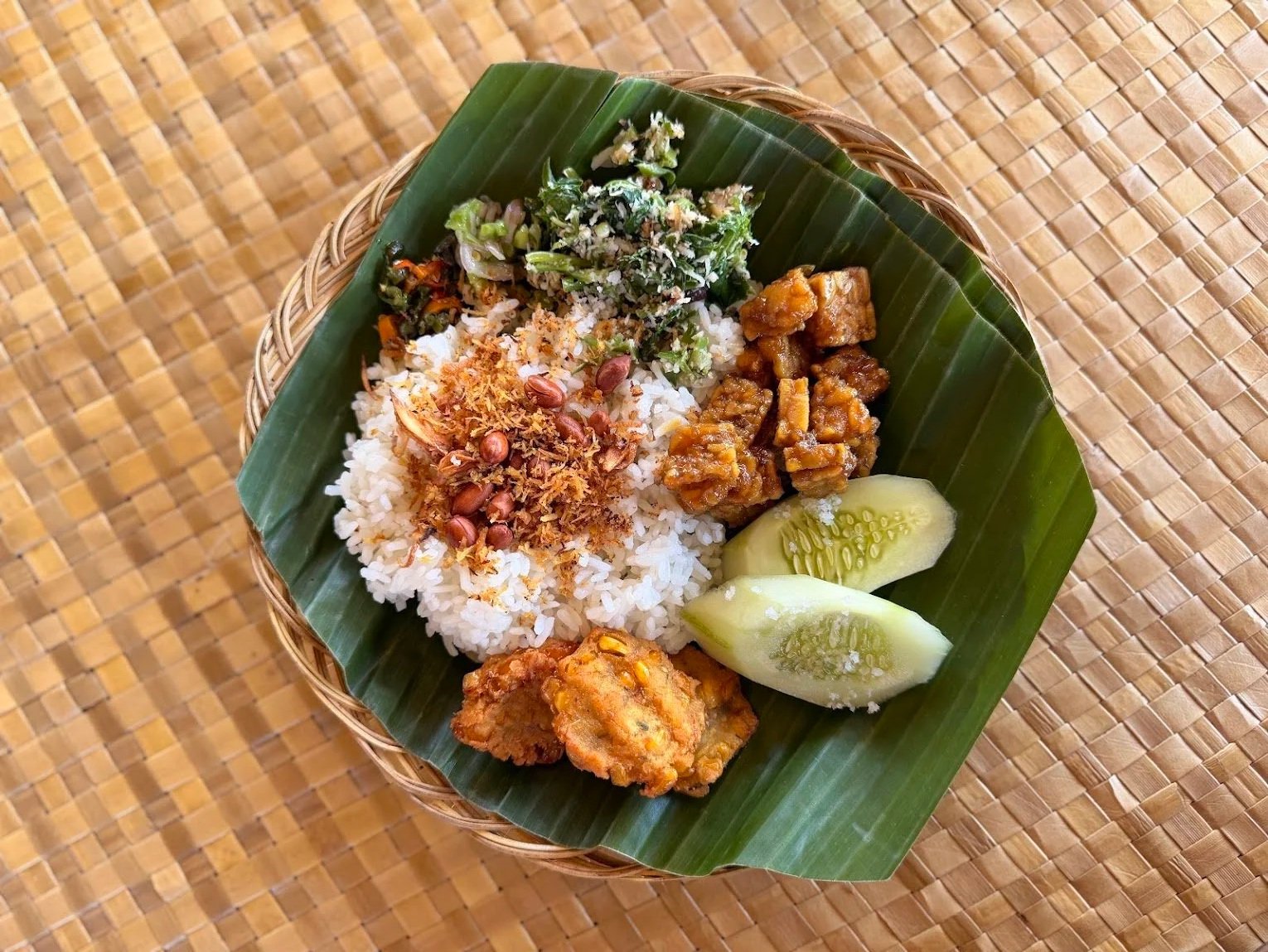
Serves: 6–8 as a side dish
Prep time: 25 minutes
Cook time: 15 minutes
Ingredients
Vegetables
340 g (12 oz) green beans, trimmed and cut into 2-inch (5 cm) pieces (about 4 cups)
340 g (12 oz) spinach (about 10–12 loosely packed cups)
440 g (16 oz) bean sprouts (about 8 cups)
Shredded or finely julienned carrots make an excellent alternative.
Coconut Topping
4 shallots, finely sliced (or substitute ½ medium red onion)
4 cloves garlic
2 tsp fresh grated ginger
Zest of 1 lime (instead of makrut lime leaves)
2½ cups unsweetened shredded coconut
2–3 tbsp fresh lime juice (instead of tamarind paste)
1–2 tsp brown sugar (instead of palm sugar)
1 tsp salt
1–2 red chillies, finely chopped (optional)
1–2 tbsp neutral oil or coconut oil
Instructions
Step 1: Blanch the vegetables
Bring a large pot of salted water to a boil and prepare a bowl of ice water.
Cook each vegetable separately:
Green beans: 2–3 minutes
Spinach: 30 seconds
Bean sprouts: 20–30 seconds
Immediately transfer the vegetables to the ice bath to stop the cooking process and preserve their vibrant colour.
Drain well. Squeeze any excess water from the spinach before roughly chopping it if needed.
Step 2: Prepare the aromatics
Thinly slice the shallots.
Using the fine side of a cheese grater, grate the garlic and ginger. This creates a smooth texture and is much easier than finely mincing everything by hand.
Step 3: Make the coconut mixture
Heat the oil over medium heat.
Cook the shallots until softened, then add the garlic and ginger.
Once fragrant, stir in:
Lime zest
Shredded coconut
Brown sugar
Salt
Chili (if using)
Cook for about 3–5 minutes, stirring frequently, until the coconut becomes fragrant and lightly toasted.
Remove from the heat and stir in the lime juice.
Taste and adjust the seasoning if needed.
Step 4: Assemble
Place all of the vegetables in a large serving bowl.
Add the coconut mixture and toss until everything is evenly coated.
Step 5: Serve
For best flavour, serve at room temperature — not hot or cold. See serving suggestions below.



Indonesian Ingredients and Canadian Substitutions
One of the wonderful things about Indonesian cooking is that it adapts to what's available. While the above version uses a few substitutions, it still captures the fresh, aromatic flavours that make sayur urap so special:
Fresh Coconut
Traditional: Freshly grated mature coconut
Canadian substitute: Unsweetened shredded coconut from a bag in the baking aisle
Go for shredded instead of dessicated to replicate the texture of fresh coconut best.
If you only have sweetened shredded coconut, reduce or omit the brown sugar and adjust to taste.
Makrut Lime Leaves
Traditional: Fresh makrut lime leaves (fragrant citrus leaves used in many Southeast Asian dishes for their distinctive lime aroma)
Canadian substitute: The zest of one fresh lime
Avoid grating the white pith beneath the peel, as it can be bitter.
If you have an Asian grocery store nearby, you may also find frozen makrut lime leaves.
Tamarind
Traditional: Tamarind paste (a tangy fruit paste that adds a gentle sweet-and-sour flavour to sauces and curries)
Canadian substitute: Fresh lime juice
Start with about 2 tablespoons, then add more to taste. The flavour will be a little brighter than tamarind but still delicious.
Palm Sugar
Traditional: Palm sugar (a natural sweetener made from the sap of palm trees, with a rich, caramel-like flavour)
Canadian substitute: Brown sugar
Use just enough to balance the citrus and salt rather than making the dish noticeably sweet.
Shallots
Traditional: Shallots
Canadian substitute: Red onion
I sometimes find shallots, but not always; finely sliced red or sweet onions can also do the trick. Use a bit less when subbing shallots, since the flavour is a bit stronger.
Tips for the Best Sayur Urap
Make ahead: If making the dish ahead of time, prepare the vegetables and coconut mixture separately, then toss them together shortly before serving. We prepped everything the night before and then assembled and served it the next day, and it turned out great.
Grating ginger & garlic: A fine cheese grater works wonderfully for grating the garlic and ginger, creating a smooth texture.
Veggie cook time: Don't overcook the vegetables. They should stay bright, colourful and retain a little crunch. It might feel like you’re not cooking them enough, but trust the process… :)
Drain well: Drain the vegetables very well before mixing everything together — especially the spinach. Excess water can dilute the coconut mixture.
Taste & adjust: Taste the coconut mixture before combining it with the vegetables. Adjust the lime juice, salt or brown sugar until the flavours feel balanced.
Room temp: Sayur urap is traditionally served at room temperature, not hot or straight from the refrigerator.
Vegetarian vs seafood versions: This version is naturally vegetarian. However, if you're ordering urap in Indonesia, keep in mind that some versions may include shrimp paste or other seafood-based seasonings.
Garnish: For extra flavour and crunch, garnish with bawang goreng (crispy fried shallots).
What to Serve with Sayur Urap
Sayur urap is traditionally enjoyed as part of a larger Indonesian meal.
It pairs beautifully with:
Steamed rice (nasi putih)
Sambal (chili paste)
Satay (grilled meat skewers)
Grilled chicken or fish
Tempeh (a firm, protein-rich cake made from fermented soybeans)
Tofu
Kerupuk (prawn crackers)
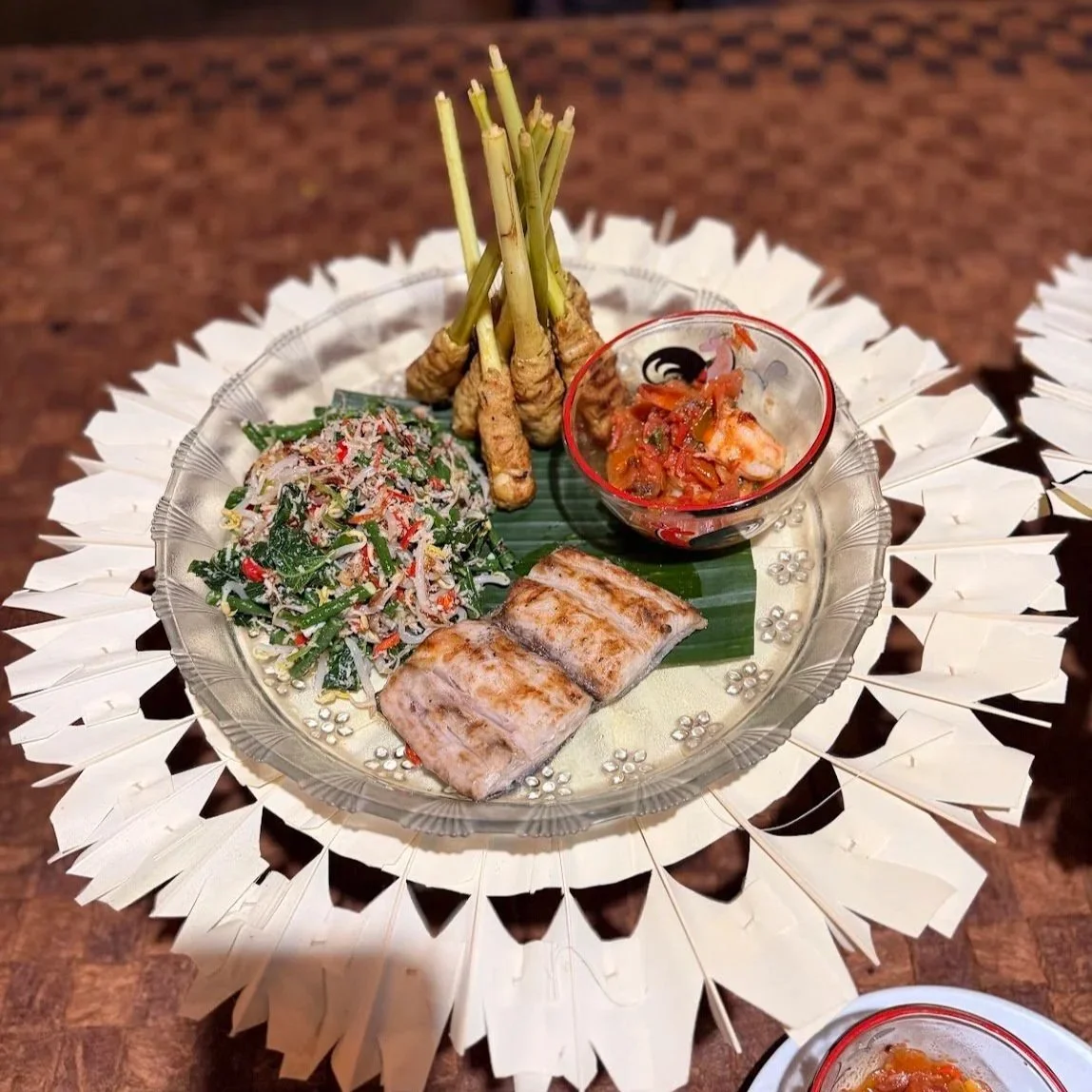
Sayur urap here served alongside grilled fish, Balinese satay, and sambal.
Bring a Taste of Indonesia Home
One of the things I love most about Indonesian food is how it encourages curiosity. Familiar ingredients are combined in unexpected ways, creating dishes that feel both comforting and completely new.
This Canadian-grocery-store-friendly version of sayur urap may use a few substitutions, but it captures the flavours that made me remember this dish. I hope that it inspires you to bring a little taste of Indonesia into your own kitchen… or to go try it for yourself in Indonesia!
If you make this recipe, I'd love to hear how it turns out. Leave a comment below or tag @travelynnecollective on Instagram so I can see your creation 😉
P.S. I work with some great Indonesian chefs to offer immersive cooking classes while you visit Bali! Reach out to book one.
Selamat makan! (Enjoy your meal!)
Was this helpful? Have more questions? You can reach me by leaving a comment below, sending me a DM on Insta, or getting in touch by email.
READ MORE: