How to Apply for a Tourist Visa: A Step-by-Step Guide
Applying for a tourist visa isn't exactly the most exciting part of planning a trip.
Every country has its own rules, application process, fees, and timelines — and sometimes its own glitchy website, too.
The good news? Most tourist visa applications follow the same basic steps.
Once you know what information to look for and how to prepare your documents, the process becomes much more manageable.
In this guide, I'll walk you through how to check official requirements, what documents you'll need, how to submit your application, and what to do before you travel.
And because visa scams are increasingly common, I'll also share tips to help you apply safely and avoid common mistakes.
HEADS UP: Some links on Travelynne are affiliate links, meaning I earn a small commission if you purchase select products or experiences from my links — at no extra cost to you! This helps me invest more time and resources into creating helpful travel content like this article. You can also book a consultation or book a trip with me.
IN THIS ARTICLE:
How to Check Official Visa Requirements
If you remember only one thing from this article, make it this: Always use official government sources to confirm your specific visa information — it’s not worth risking outdated or inaccurate info.
Visa rules can change quickly, and info in Facebook groups, travel forums, or older blog posts may no longer be accurate. While this blog covers things at a high level, it’s up to you to check the specifics about the visa you need, at the time you need to apply, using the official websites.
Start by checking:
The official immigration website of the country you're visiting
Your own government's official travel advisory website
For Canadians: Government of Canada's travel advice page (travel.gc.ca)
For Americans: U.S. Department of State at travel.state.gov
Others should check the source from the relevant official government website, which should have the destination country’s suffix (like .gc.ca in Canada or .gov in the U.S.)
Before You Book Your Flights: Your Visa Checklist
Before you book any non-refundable flights or accommodation, confirm the following details using official government sources.
How to Apply for a Visa
The exact process will vary depending on the country you're visiting, but most tourist visa applications follow the same basic steps.
Be sure to apply on the official government website — usually from the department of immigration or foreign affairs — and not on any other site. There are many imposters. If you're unsure, contact the relevant embassy or consulate directly.
Step 1: Check the Official Requirements & Book Your Flights
Refer to the above section on requirements and double-check whether you qualify.
Take note of how long the process is expected to take and start applying accordingly — with some extra buffer time in case of any issues.
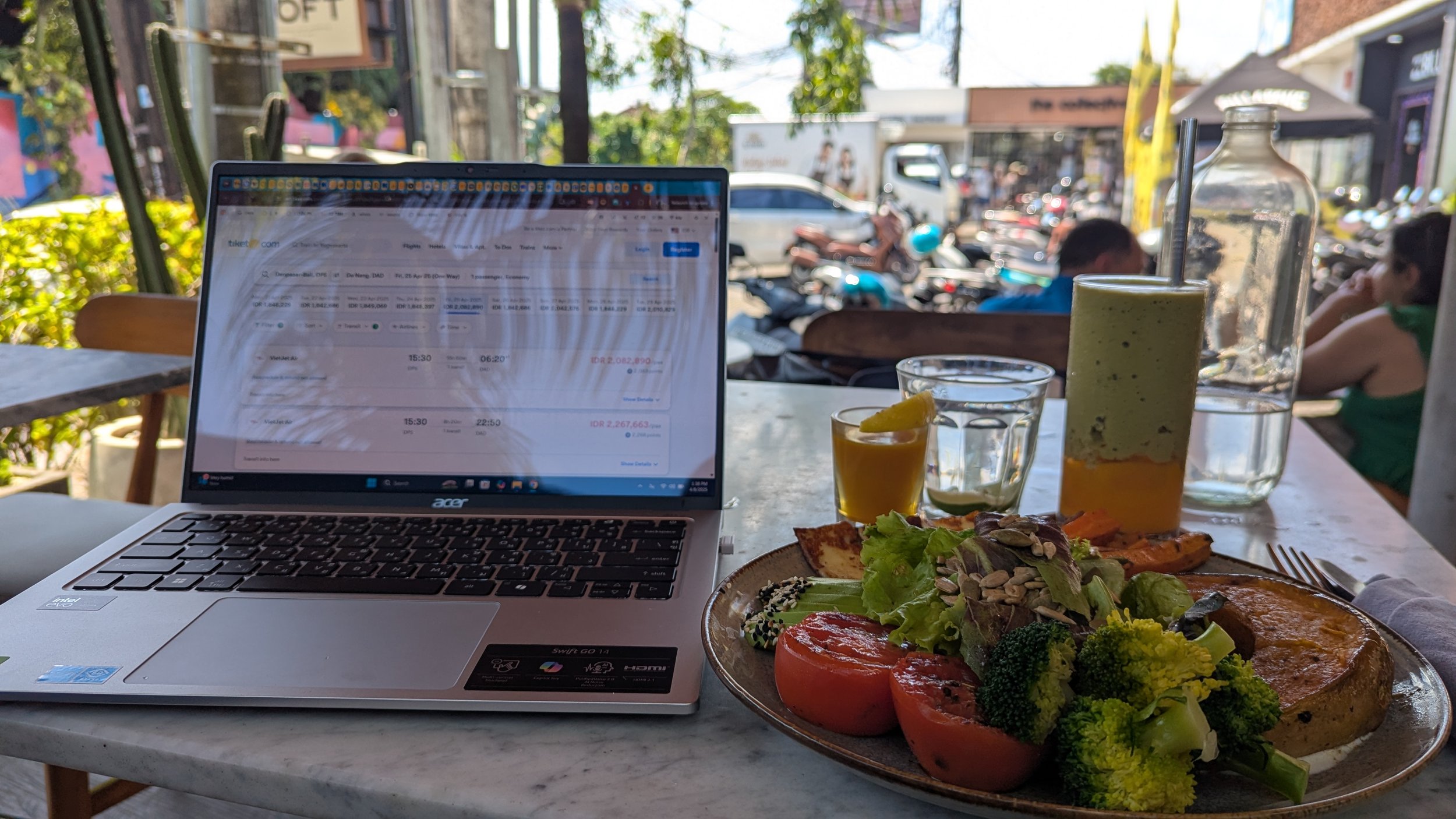
Once you confirm that you qualify, based on the official requirements, you can book your flights. You should book round-trip flights, as some countries require proof of onward travel for entry. If you aren’t flying round-trip, you can book two one-way flights, as long as you have proof that you will exit the country before your visa period ends.
Your flight details may be required for your visa application. If you have hesitations about whether or not you’ll be approved for a visa, you may choose to book a refundable flight.
Step 2: Gather Your Documents
Requirements vary, but commonly include:
✅ Valid passport
This usually means your passport must be valid for at least 6 months after arrival, and some countries also require at least 2-4 blank pages in your passport.
✅ Completed application form
Use the official application, usually an online form, on the immigration website of the destination country.
TO AVOID SCAMS, DO NOT AUTOMATICALLY USE THE FIRST LINK ON GOOGLE; MAKE SURE IT IS THE GOVERNMENT WEBSITE.
Make sure to apply for the correct tourist visa type.
✅ Passport photo
Some have very distinct requirements, such as a specific background color or size.
✅ Proof of onward travel
You may need to present proof of your air ticket to exit the country before your visa expiration date. This is sometimes required by the airline at check-in as well.
✅ Accommodation bookings
While I haven’t been asked for proof of accommodations before, they will often request the name of your hotel/airbnb and the address. If you’re staying in more than one place, you should usually provide the first one you’ll stay at on arrival.
Less common, but sometimes required:
🟡 Immunization Records
Some countries may require proof of immunization records, especially if you’ve been to certain countries with Yellow Fever, worked on farms, or other specific circumstances. This can also happen temporarily during disease outbreaks such as COVID-19, when immunization records were required for many countries.
🟡 Bank statements or proof of funds
This isn’t common for tourist visas (it is common for longer-term visas, like study, working holiday or digital nomad visas), but countries can require a certain amount of money in your bank account to approve your visa.
🟡 Travel insurance
Some countries (like Thailand) are talking about requiring visitors to have travel medical insurance. If you don’t already have travel coverage for your medical insurance, you’ll need to purchase a policy for your trip. I always recommend having travel insurance in any case!
Not every country asks for the same documents, so check the official list from the government’s immigration website or embassy/consulate carefully.
Step 3: Submit Your Application
Gather the documentation you need and prepare it digitally, if an online application is an option.
If an online application is not an option, you need to apply at an embassy, consulate or high commission in the country you’re in, or mail your application if there isn’t one nearby.
However, eVisas are now commonly available through many governments’ immigration websites.
TRAVELYNNE TIP: Apply earlier than you think you need to, especially if you're travelling during busy periods or around major holidays. Some places, like Vietnam during the Lunar New Year, shut down all government operations (including visa processing) around holidays.
In all cases, be sure to:
Only submit via the official government immigration website
You may also submit through a trusted visa agent; however, read my tips on avoiding scams first
Carefully write and triple-check your application, as any typo or error in your name, passport number, or any other detail could result in a rejection
Keep copies of everything you submit
Step 4: Pay the Visa Fee
Be sure you only submit a payment to the official source, the government’s immigration website.
For payment, note that:
Visa fees can vary widely. I’ve paid between $20-60 USD per tourist visa, and (unfortunately) fees can be higher depending on the country and your passport.
Some visas will take your payment immediately along with your visa application.
Others will require you to submit your application and then click a link in a follow-up email to complete the payment.
IN ALL CASES: Make sure your payment goes through, as your visa application will stall and not be processed without your payment. You should receive a payment confirmation from the platform on which you applied, and you can check your banking app to make sure as well.
Step 5: Wait for Approval & Visa Documentation
Some eVisas are approved within minutes, while others can take several weeks. I’ve heard of even lengthier and more complex processes for more uncommon destinations, too, or based on your passport.
If you need a visa for your trip, then you must have an official visa document from the destination government before you leave.
TRAVELYNNE TIP: Know the expected wait period and set a calendar reminder to make sure you receive it by then.
If you don’t receive it, follow up with the relevant e-mail address or phone number, or visit the relevant embassy, consulate or high commission, promptly to resolve it.
Step 6: Double-Check Before You Travel
Once your visa is approved, review all the details carefully.
Make sure everything is correct, including your personal details, the visa type, and the dates.
If your visa is digital, save a copy on your phone and email for easy access. If you're asked to print it, keep a paper copy with your passport.
Once approved and everything is correct, you can continue planning your trip with confidence! 🎉
Planning a complicated Asia itinerary? I help independent travelers design custom trips that balance logistics, local culture, and meaningful experiences. Click here to learn more about my travel planning services.
Final Thoughts
So, do ya need a visa to travel? Sometimes, but not always.
The answer depends on your passport, your destination, and the type of trip you're taking.
Once you get familiar with the process, checking and applying for visas (and always doing so using official government platforms!) just becomes a regular part of planning an international trip.
A little research before you book can save you time, money, and a lot of unnecessary stress later.
And remember: needing a visa isn't a reflection of how experienced you are as a traveller. Every passport comes with different privileges and restrictions, and visa requirements can change at any time.
The more you travel, the easier it becomes to navigate the process. But if you have questions along the way, feel free to reach out!
Travel well,
Lynne
Was this helpful? Have more questions? You can reach me by leaving a comment below, Instagram DM, or sending me an email!
READ NEXT: