13 Common Tourist Visa Mistakes & How to Prevent Them
Visa mistakes can be expensive.
A missed requirement or incorrect assumption can lead to denied boarding, last-minute flight changes, unexpected fees, or even being turned away at the border.
Most visa mistakes are avoidable, so a little research can go a long way in keeping you informed, safe and stress-free. Here's what to watch for before your next international trip.
HEADS UP: Some links on Travelynne are affiliates, meaning I earn a small commission if you purchase select products or experiences from my links — at no extra cost to you! This helps me invest more time and resources into creating helpful travel content like this article.
IN THIS ARTICLE:
1. Assuming the Rules Are the Same for Everyone
Visa requirements depend on the passport you hold, your destination, and the purpose of your trip.
Your friend may not have needed a visa for the same trip, but if they hold a different passport, your experience could be completely different.
Always check the rules for your specific nationality and destination, especially when travelling with a mixed-nationality group.
2. Using Outdated Information
Visa rules can change often and with little notice.
Facebook groups, travel forums and blog posts are amazing resources, but they may not reflect the latest requirements or the requirements that apply to your situation.
You can consult various sources, but always verify the information using official government sources before you make decisions about visas, flight bookings, and length of stay.
3. Applying Through the Wrong Website
Not every website that appears in search results is an official government source, and visa scams are pretty common. It’s easy to get caught out when Googling things like “how to apply for a visa in Vietnam”, for example, and clicking on an application that looks like the government website, but isn’t.
Some third-party websites charge excessive fees for services you can easily complete yourself. Others are designed to look like official immigration websites but provide little value, or in the worst-case scenario, no service at all after tricking you into paying.
Before entering any personal information or payment details, confirm that you're using the official visa website for your destination — usually via the immigration, foreign affairs, embassy, or consulate.
You can also check your own government's travel advisory website first, as it usually links directly to official resources.
→ Read next: How to Spot Fake Visa Websites and Avoid Visa Scams
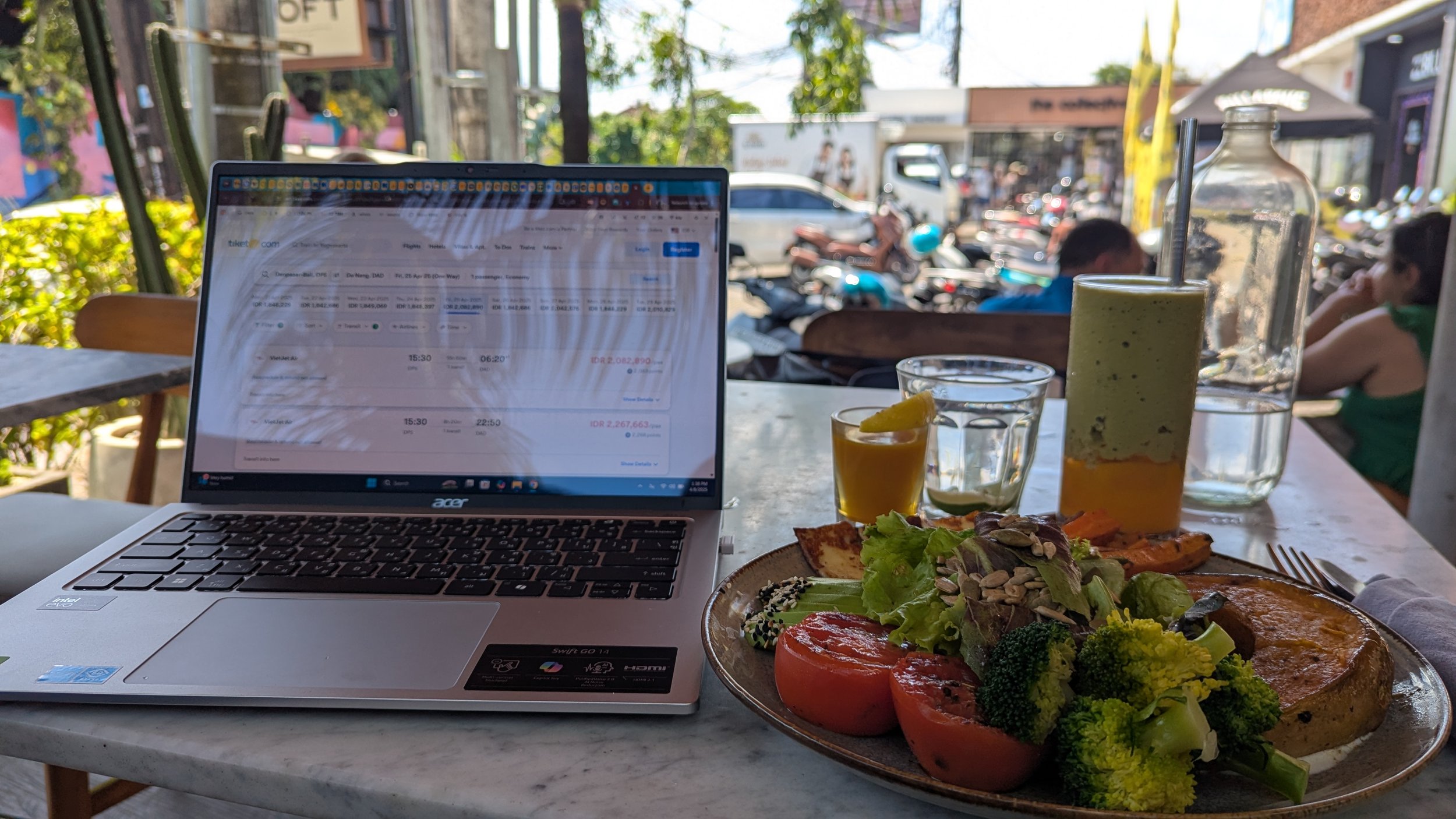
4. Booking Non-Refundable Flights Too Early
It can be tempting to lock in flights before considering your visa, but there are a few things you need to know first:
Do you need a visa to visit that country?
Do you qualify for a tourist visa in that country?
Can you meet all the requirements to obtain a visa in time for the trip?
How long can you stay in the country?
Once you confirm this information, you can book your flights. In fact, many visa applications will ask for flight or port of arrival information.
5. Waiting Until the Last Minute
Some tourist visas are approved within minutes. Others can take several weeks. Sometimes, exceptional circumstances mean you need more time — like resubmitting because of a typo or delays due to holidays.
Check the anticipated timeline from the government of the country you’re visiting, and apply earlier than you think you need to, especially if you're travelling during busy periods or around major holidays when government offices may close.
“When I was travelling with my parents in Southeast Asia, we were denied boarding our flight to Vietnam because our visas weren’t approved yet - despite applying more than a week ahead. They ask for 3-5 working days, yet they hadn’t been looked at because it was Tet (Lunar New Year) and the government offices were shut down. This wasn’t posted anywhere, so I recommend always giving as much buffer as you can, just in case.”
Giving yourself extra time can help you avoid unnecessary stress if there’s a delay or additional documents are requested.
6. Forgetting to Check Your Passport Expiry Date & Blank Pages
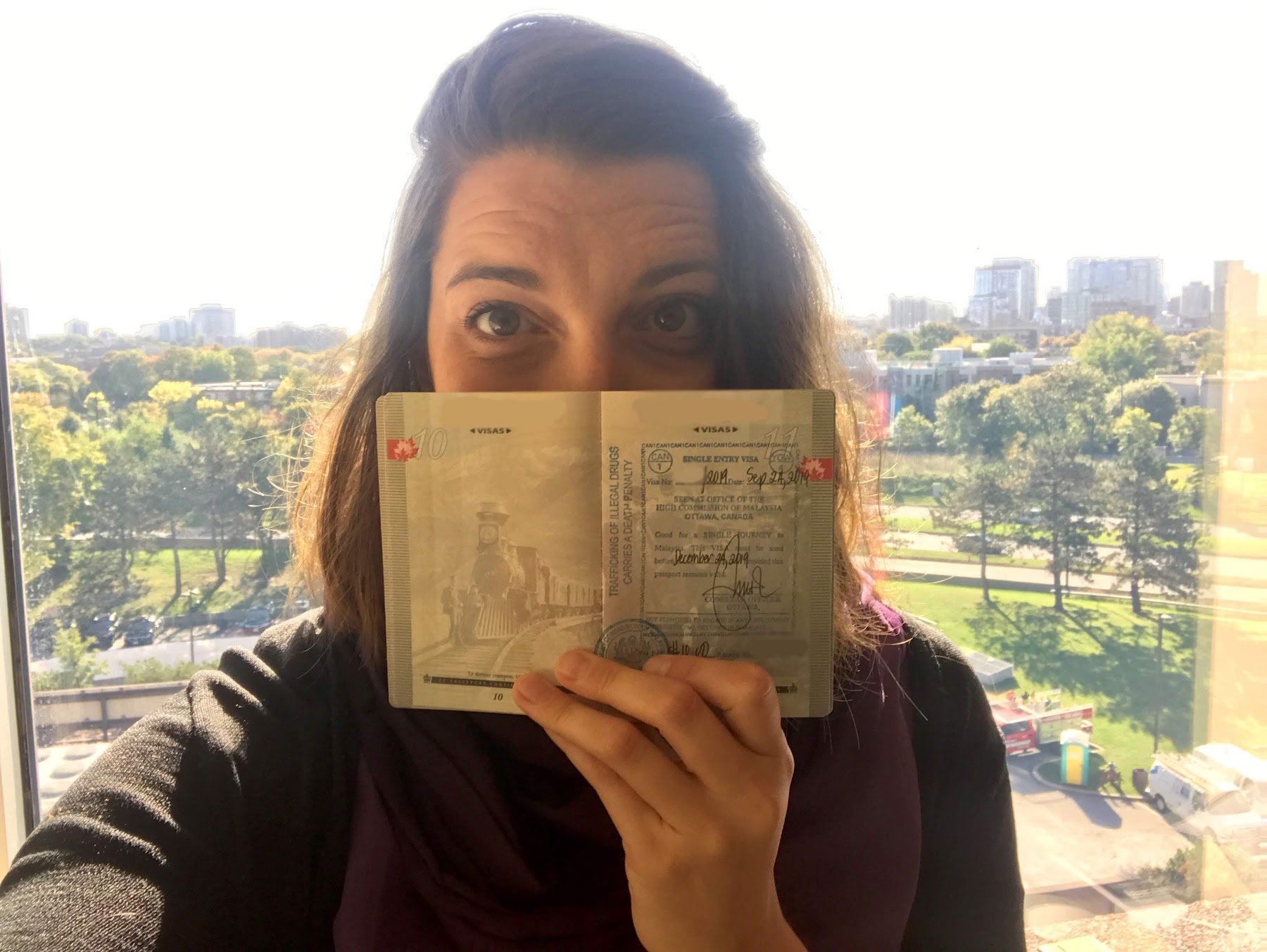
Many countries require your passport to be valid for at least six months beyond your date of arrival.
In an outdated rule, some also require two or more blank pages in your passport for visas and entry stamps.
You can be denied a visa or denied entry on the basis of either of these issues, so make sure your passport is in good standing before you apply for a visa.
7. Not Checking Transit Requirements
If you’re planning to leave the airport during a long layover (I generally only recommend this on 6+ hour layovers), you need to check whether you need a visa to leave.
In rare cases, some passport holders need an Airport Transit Visa (ATV) to pass through an international transit area (airport), even if they aren’t entering the country. However, this is uncommon for travellers holding passports with broad visa-free access, such as Canadians, Americans, Australians, etc.
Always check the rules for every country on your itinerary, even if it’s just a layover.
8. Focusing Only on the Visa & Missing Other Requirements
A visa isn't always the only requirement for entry.
Depending on your destination, you may also need:
Proof of onward travel
Arrival cards or electronic travel authorizations
Accommodation details
Vaccination certificates
Etc.
Make sure you understand all entry requirements and documentation needed before you apply and arrive. For more on this, read my guide on Visa Requirements & Applications.

Planning a complicated Asia itinerary? I help independent travelers design custom trips that balance logistics, local culture, and meaningful experiences. Click here to learn more about my travel planning services.
9. Misunderstanding Single-Entry and Multiple-Entry Visas
Leaving a country — even briefly — can invalidate a single-entry visa.
If you're planning side trips to neighbouring countries, make sure you understand whether your visa allows you to re-enter.
On the other hand, if you’re looking to extend or renew a visa, you need to check the country’s regulations. Some don’t allow you to do so from within the country, which requires you to exit the country to apply before returning.
10. Selecting the Wrong Port of Entry
When applying for a visa, you'll often be asked where you plan to enter the country.
It can be tempting to select any airport or border crossing and assume you can change your plans later. Unfortunately, that's not always the case.
Some countries issue visas that are tied to the specific port of entry listed on your application. For example, if you apply to enter through Ho Chi Minh City's Tan Son Nhat International Airport, you may not be able to use that same visa to enter through Hanoi or a land border crossing.
Before submitting your application, make sure your arrival plans are reasonably firm and double-check that you've selected the correct airport, seaport, or land border.
If your travel plans change after your visa is issued, check whether your visa remains valid or whether you'll need to amend your application or apply again.
11. Making a Typo in Your Application
Even a small mistake can delay your visa application or result in a rejection.
Pay close attention when entering details like your name, passport number, date of birth, and travel dates. These must match your passport exactly.
Before submitting your application, review every field carefully — and then check it again.
Usually, you can’t make any changes or corrections after submitting your application, so if you made a mistake, you’ll have to start over again (including paying again!).
12. Applying Without Completing Payment
Submitting your application isn't always the final step.
Some countries require you to complete payment separately after submitting your visa application. For example, you may receive a follow-up email with a payment link or instructions for paying through a different portal.
If you don't complete the payment, your application won't be processed.
Before you close the browser window, make sure you understand exactly how the payment process works.
Once you've paid, look for a confirmation email or receipt, and check your bank statement to confirm the payment was successful. It’s also wise to take screenshots of all confirmations in case proof is needed later on.
If you haven't received a confirmation within the expected timeframe, follow up with the relevant immigration office, embassy, or consulate
13. Forgetting to Check Approval Status
Don’t just apply for your visa and forget about it. Once your visa is approved, you should get an email with an official visa approval document. If you don’t, you need to follow up with the relevant immigration office, embassy or high commission.
I recommend setting a calendar reminder for the day after the expected approval date, and following up right away if not received. If this happens, it’s possible your application wasn’t received, your visa wasn’t paid for, you haven’t sent the supporting documentation needed, or there are delays on the government’s side.
Once you do receive the approval, make sure to save it somewhere you can easily access it. Save a digital copy on your phone, email yourself a backup, and carry a printed copy if requested.
While your visa is usually linked electronically to your passport, airlines or immigration officers may ask to see proof of approval.
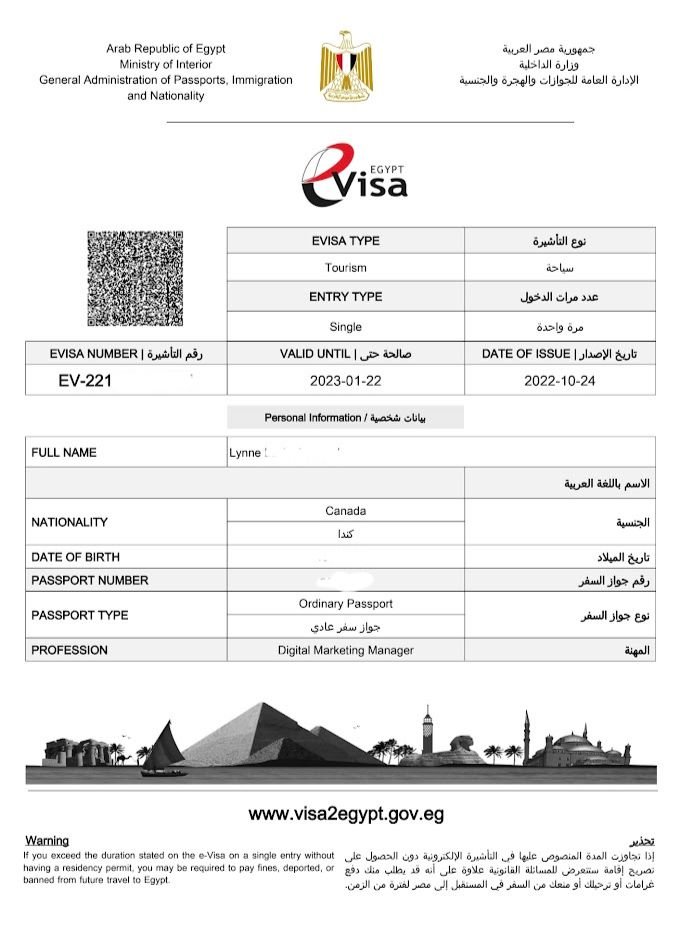
Here’s a (censored) example of a visa approval document. You should receive an official doc like this by email when your visa is approved. It should be on official government letterhead and come from a government email address.
Final Thoughts
Given how head-spinningly different visa requirements and applications are in different countries, mistakes are easy to make, even for experienced travellers.
The best way to avoid problems is to start early, double-check the details, and give yourself plenty of time before your departure date.
A few extra minutes of research can save you money, stress, and unpleasant surprises at the airport.
Travel well,
Lynne
Was this helpful? Have more questions? You can reach me by leaving a comment below, sending me a DM on Instagram, or getting in touch by email.
READ NEXT: