
How I Stay Safe Using Rideshare Apps While Solo Travelling
Whether I'm catching an early-morning airport ride, heading back to my hotel after dinner, or getting home after a night out, rideshare apps have become a regular part of my adventures.
As a woman who has travelled solo in 40+ countries, I've used rideshare apps extensively across Asia, North America, and Europe, including Uber, Grab, Gojek, Lyft, InDrive, and others. Overall, I've found them to be one of the safest and most convenient ways to get around, especially compared to hailing a taxi off the street.
If you're wondering whether rideshare apps are safe for women travellers, the short answer is generally yes. Features like GPS tracking, driver identification, ride history, reviews, and trip sharing provide layers of accountability that traditional taxis don't always offer.
That said, no transportation option is completely risk-free. While most rides go smoothly, there have been reports of sexual harassment, fake drivers, scams, drivers taking unexpected routes, and other situations that leave travellers unsafe. I've experienced a few uncomfortable moments in taxis over the years myself, and they've reinforced the importance of staying aware, trusting my instincts, and making full use of the safety features available.
The tips below aren't a list I pulled from some handbook. They're the habits I've developed through years of solo travel and continue to use whenever I book a ride.
HEADS UP: This article is not sponsored by any rideshare app. Some links on Travelynne are affiliates, meaning I earn a small commission if you purchase select products or experiences from my links — at no extra cost to you! This helps me invest more time and resources into creating helpful travel content like this article.

12 RIDESHARE SAFETY TIPS FOR WOMEN:
1. Wait Somewhere Safe
No need to dart out of your comfy spot to wait for your ride. Stay inside and track your Grab or Uber driver on the app. Once they're just around the corner, that's your cue to head out.
This avoids having you wait somewhere that’s dark or uncomfortable. If you’re with friends or a date, wait with them. In those cases, make sure to check in on your friends and have them check in with you to make sure everyone gets home safely.
2. Double-Check the License Plate
Don’t rely only on the colour or model of the car. Please take a second to check the license plate at the back of the car before hopping in.
I do it every single time, without fail. You can glance at the driver's phone too, if it's visible, just to make sure your name and destination are up on their screen. It also never hurts to confirm your destination with the driver.
“True story: once, my phone had just died and was slowly coming back to life, courtesy of my power bank. As I’m waiting, this car pulls up — the same colour and make as my booked Grab ride — and the driver starts waving me over. It didn’t seem right, and I couldn’t see his license plate, so I went to his window and asked him to show me his Grab app. He casually goes, “Oh, I’m not a Grab driver, just offering free rides home.” Um, no thanks!”
I wish I could tell you I quickly noted down his license plate and reported him. But, truth be told, I was so taken aback that all I could do was yell at him about how sketchy he was. Hindsight's always 20-20, right? But I managed to dodge a potentially dangerous situation by staying vigilant and not letting my guard down.
3. Match the Vehicle to Your Booking
So, on that note… if the car that pulls up doesn't match the details on your app, but the driver says it’s them, politely decline, hit cancel and book another. I’ve been in a few situations where the car didn't match the details, and the driver would say something along the lines of this being their 'backup' car while theirs is at the mechanic.
Sure, they might be telling the truth, but on the off chance it's a ruse, I'd rather not risk it. Unfortunately, in some places, there have been reports of traffickers pulling up at rideshare pickup points in popular make-and-model vehicles.
Why risk it? I prefer to wait for a ride where everything checks out. After all, one of the main reasons I prefer Grab or Uber over regular taxis is the safety net of having a record of my rides and the ability to share my location.
4. Sit Behind the Driver
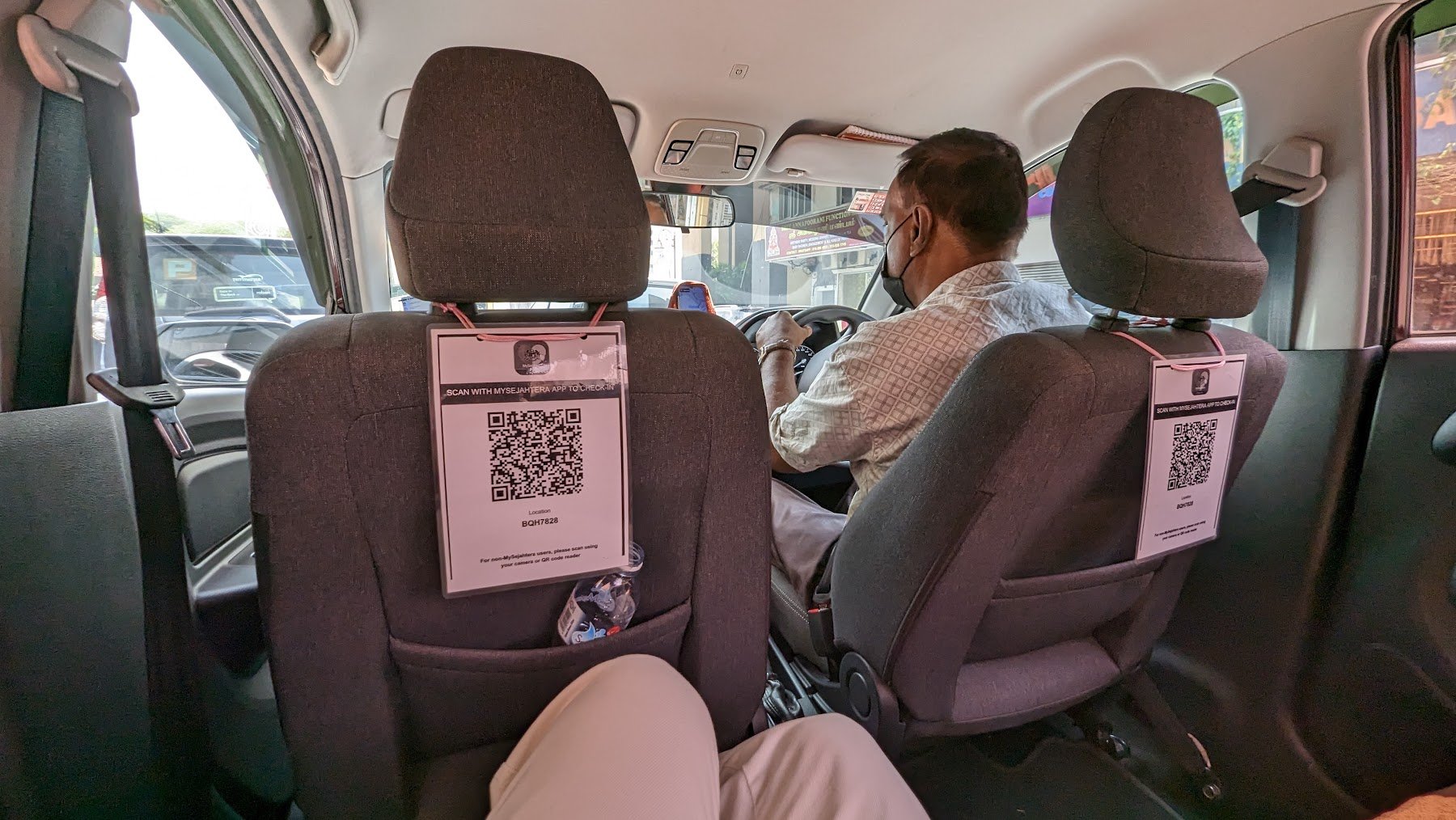
Personally, I feel safer at night sitting right behind the driver. No awkward eye contact, a safe distance, and a good vantage point.
“This probably stems from an experience I had years back when a taxi driver tried to convince me to slide into the front seat after dropping off my friend. We still had 15 minutes to go to my place; it was late, this was the pre-rideshare era, and there were no other taxis around.
I held my ground and stayed put, but it was so uncomfortable. My gut was screaming “NO”, and I trust my gut. As should you.”
Ever since, I stick to my backseat spot. Maybe I'm over-analyzing this, but hey, it's what makes me feel secure.
5. Make Full Use of In-App Safety Tools
Don't you just love those friends who text you to make sure you've made it home safe? I sure do.
If I'm leaving a friend's place late, I'll often hit that "share my ride" button on Grab or Uber. That way, they'll know where I am and when I get home. Grab's even got a great feature that sends you a check-in alert if your driver goes off course or stands still for too long (although, in places like Kuala Lumpur, Bangkok and South Bali, it's often just the traffic 🫠).
Haven't had to use the "I need help" option yet, but it's comforting to know it's there.

6. You Don’t Have to Engage in Conversation
Sure, you can strike up a conversation with your driver if you're up for it. But remember, it's perfectly okay not to.
If your driver gets a bit too chatty, it's fine to politely divert the conversation. Tell them you're making a call or you need to get some work done. Personally, while I love a good chat at the right time and place, I don’t feel those late-night solo rides are the right moment for personal Q&As. We all know how these can veer into uncomfortable territory.
For example, in Asia, it’s common to get asked where I’m from, whether I’m alone or whether I’m married, etc. If you choose to engage, I recommend non-personal chat, being careful not to share personal information.
7. Follow the Map on Your Phone
We've all fallen down the Instagram rabbit hole during rides, but you should really keep an eye on your route.
I like to follow the journey on the driver's phone if I can see it, or sometimes I'll pull up my own map just to double-check.
Pay attention if your driver decides to take a detour. It’s usually just traffic or route-related, but it’s always good to check. If you have a preferred route, don’t hesitate to ask them to stick to it.
8. Look Alert & Take Off Headphones
Whenever you're in a situation where you could be vulnerable, it's important to stay aware of what's happening around you.
Looking overly distracted, whether you're glued to your phone or listening to music through headphones, can make you less likely to notice if something feels off. It may also signal to others that you're not paying attention to your surroundings.
One simple thing I've worked on is leaving events before I'm completely exhausted. That way, I'm alert and aware during the journey home, rather than stumbling into a rideshare when I'm tired and less likely to notice red flags.
9. Party Safely & Watch Your Consumption
I have no intention of telling grown adults not to enjoy a night out while travelling. But if you're heading home alone afterwards, it's worth keeping your wits about you.
Alcohol can affect judgment, awareness, reaction time, and memory, all things that help us spot red flags and make good decisions, so you really do need to be careful with it, especially when solo.
I also recommend getting your own drinks and keeping an eye on them. Unfortunately, drink spiking does happen. I learned that firsthand years ago, though thankfully I made it home safely.
Have fun, just please make sure you're still in a position to get yourself home safely at the end of the night.

Planning a complicated Asia itinerary? I help independent travelers design custom trips that balance logistics, local culture, and meaningful experiences. Click here to learn more about my travel planning services.
10. Make a “See You Soon” Call
Ever had one of those moments where something just feels off? Walking in a dark parking lot or waiting alone on the street for a rideshare at night… these situations can make a gal feel very uneasy.
Try calling a friend and chatting about your "impending arrival" at their place — whether it's true or not. I've done this a couple of times when I felt like I was being followed. I can't say for sure whether there was a real threat, but it made me feel safer, and that matters.
I also have friends who will always see me off to the car and say “call me when you get home” to add a similar layer of comfort. It just feels less likely that someone will try something if they know someone is expecting you at the other end of the ride.
11. Rate Your Driver & Report When Valid
I love rating systems like Uber and Grab because they help keep everyone accountable.
After your ride, take a moment to use this system to thank the good drivers and flag the not-so-good ones.
Thankfully, I've mostly had pleasant experiences, but on the rare occasion when a driver's made me uncomfortable, I make sure to drop their rating and leave a comment.
This isn’t petty; it's necessary. By reporting sketchy behaviour, we're all helping make the system safer for everyone. So whether you had a five-star ride or a one-star disaster, let future riders know with a quick review.
If you have a more serious incident, such as harassment or a threat to your safety, then I also suggest getting help from authorities immediately, filing a report on the app, and calling a friend for support.
12. Keep Your Phone Charged & Connected
None of the above tips would do much good if you're dealing with a dead phone or a phone without data.
Always ensure your phone is charged before you head out — I swear by my power bank, which I charge every night and lives in my purse.
I also highly recommend getting a local eSIM card for consistent internet access. This way, you can verify your ride, share your location, follow your route, reach out for help if needed, and even make that "see you soon" call.
Final Thoughts
Travelling solo comes with risks, but it also comes with incredible freedom, connection, and adventure. For me, rideshare apps have made it easier — and in many cases safer — to explore the world independently, and the vast majority of my experiences have been positive.
No app, rating system, or safety feature can replace your intuition. If something feels off, listen to that feeling.
Just promise me you won’t travel in fear — have your wits about you, but keep adventuring!
Travel well,
Lynne
Was this helpful? Have more questions? You can reach me by leaving a comment below, sending me a DM on Instagram, or getting in touch by email.
READ NEXT: